


BYOB: WHAT IT IS AND WHERE YOU WILL FIND IT!
What is BYOB?
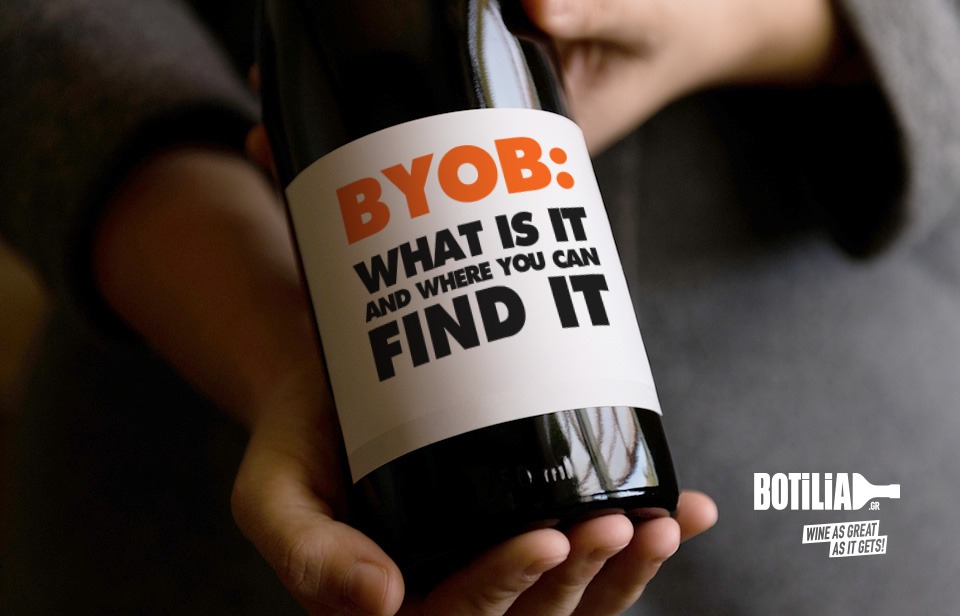
If you’ve ever seen the term BYOB on a restaurant sign, an event invitation, a bar poster, or even a party invite and wondered what on earth this new trend is, you’re not alone. BYOB stands for Bring Your Own Bottle and literally means “bring your own bottle,” usually referring to a bottle of wine.
If wine is your strong suit but cooking isn’t exactly your Alain Ducasse moment, and you want to enjoy great food paired with your favorite bottle, then this concept is going to become one of your favorites. Essentially, it’s a practice that allows guests to bring the drink of their choice to the place where they’re dining (or partying), without having to purchase it from the venue. And this idea has now grown significantly, appearing everywhere from restaurants to private parties.
A bit of history
BYOB first appeared in the United States in the early 20th century, gaining particular traction after the Prohibition era (1920–1933). When Prohibition ended, many restaurants still didn’t have a license to sell alcohol or couldn’t afford the extremely high licensing and taxation costs that came with legalization. As a practical solution, they allowed customers to bring their own wine or spirits a practice that later became known as BYOB. This approach helped small businesses operate legally without major upfront investment, reduced costs for consumers, and created a more relaxed drinking culture focused on company and hospitality rather than profit from alcohol sales.
Is it still a thing?
BYOB is still widely practiced in several countries, especially in the United Kingdom, where it’s common in small, unique restaurants; in Australia, where it’s extremely popular; in Canada, where it’s allowed only in certain regions; and in the United States, where regulations vary by state but the concept remains well‑loved. Today, to keep things fair and transparent, BYOB usually comes with a small fee set by the business, known as a corkage fee. This maintains BYOB as an affordable, flexible, and balanced option for both customers and venues.
What about BYOB in Greece?
Today, BYOB has become a cultural trend, chosen by many for its low cost and the freedom to pair whatever you want with your meal and yes, it has made its way to Greece too. Here, however, it appears more informally and in more alternative settings, from underground parties to private events, and less as a structured business model in restaurants. Still, there are plenty of dining spots where you can enjoy it, especially in Athens and Thessaloniki.
In Athens, you’ll come across it in more creative kitchens such as Simul in Kolonaki, Aleria in Metaxourgeio, and Fita in Neos Kosmos, as well as at Oikonomou in Petralona and Pezoulas in Kallithea. You’ll also find it at Feyrouz in the city center, at Sushimou if you’re in the mood for sushi and at Mavros Gatos in Pangrati.
In Thessaloniki, Extravaganza in the center and Ergon Agora in Pylaia occasionally support BYOB. Additionally, small tavernas in Ano Poli and Kalamaria are often open to the idea with a bit of politeness and communication. Standout options include Mia Feta, a gastronomic deli‑restaurant, and Duck Private Cheffing, which operates with a more flexible philosophy and a cool attitude toward BYOB lovers.
A trend that’s here to stay
It may have started out of necessity, but as you can see, BYOB is becoming a trend. With more and more places embracing it, all you need to think about is which bottle you want to bring along on your next night out!
Useful notes
P.S.1 Even if you know a place is BYOB‑friendly, you should ALWAYS confirm on the day of your reservation. In fact, always ask!
P.S.2 If you’re going to do it, do it right… which means please don’t show up with a plastic bottle of dubious bulk wine or a €2 retsina from the supermarket. It’s borderline disrespectful to the restaurant’s wine list and to the sommelier.
P.S.3 And if you’re feeling a bit classy, offer the person taking care of your table a glass of what you brought. Besides being a sign of respect, it’s simply good manners.
Christina Tsogka
Wine Specialist