


TANK CHARDONNAY OR BARREL CHARDONNAY?
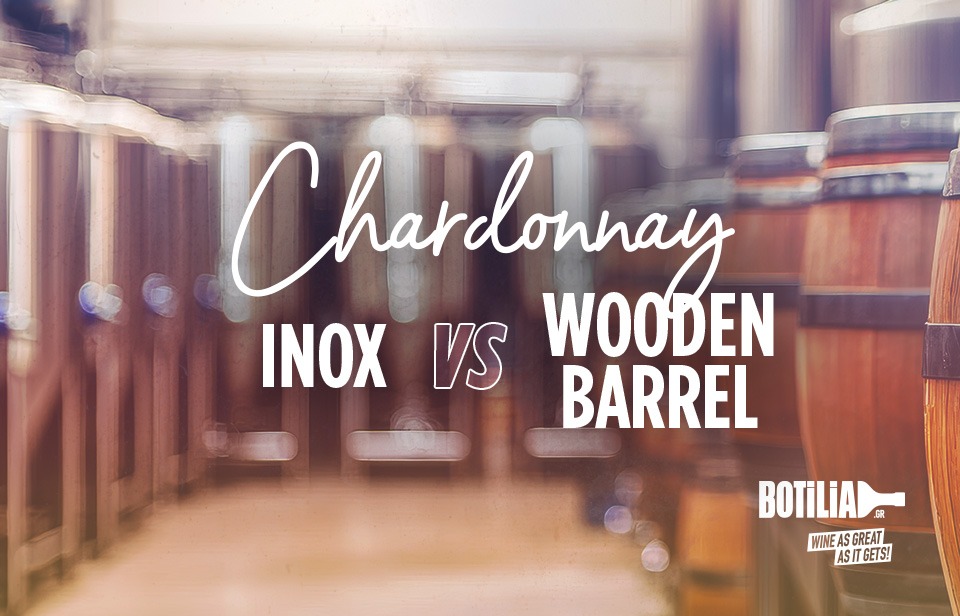
Chardonnay is perhaps the most multidimensional white grape variety in the world. Winemakers love it because it happily embraces experimentation, showcasing their craftsmanship and philosophy. Viticulturists prefer it because it adapts impressively to different climates and soils, reflecting each site’s character while maintaining high quality even at higher yields. And we love it because it offers such a wide range of styles that boredom is simply not an option. Which naturally leads us to the eternal question: stainless steel or oak? Let’s put them side by side and find out.
Stainless‑steel Chardonnay highlights the grape’s primary character with pure fruit expression, greater precision, and a lighter, more energetic profile. Stainless steel—or concrete—acts as a neutral vessel, allowing the wine to preserve its natural notes of lemon, green apple, stone fruit, or even tropical fruit in warmer climates, all wrapped in unmistakable freshness. A key element here is malolactic fermentation: when it is avoided or limited, the wine retains its “electric” edge, offering even cleaner fruit and more pronounced acidity. Traditionally, Chablis exemplified this no‑oak, no‑malo approach. Modern stainless‑steel examples include Mâcon‑Villages Nos Cinq Terroirs 2024 by Famille Paquet and Château Julia Chardonnay 2025 by Domaine Costa Lazaridi. This style pairs beautifully with seafood, delicate fish or chicken dishes with lemon‑based sauces, soft fresh cheeses, and crisp salads.
On the opposite end of the spectrum lies barrel‑aged Chardonnay, expressing a more technical, structured, and opulent interpretation of the grape. Examples include Lapis Luna Chardonnay, Domaine Katsaros, Sanford Chardonnay, and Matrot’s Meursault. Oak—French or American—does more than add aromas of vanilla, smoke, toffee, toasted bread, and sweet spices; it also shapes the wine’s structure, while malolactic fermentation often contributes a creamier texture and rounder acidity. The result is a fuller‑bodied, richer, more layered Chardonnay with impressive gastronomic potential. These wines shine alongside salmon, roasted pork, mushrooms, buttery white sauces, and indulgent pasta dishes. The key, however, lies in the winemaker’s finesse: balancing the fruit of the variety with the nuances of oak, without letting one overpower the other. That’s why many producers now choose hybrid approaches—aging part of the wine in barrel and part in steel—to achieve harmony between freshness and complexity. Meanwhile, the wide range of barrel types, toast levels, and sizes allows winemakers to craft exquisitely balanced Chardonnays that beautifully merge both “schools”—perfect for those of us who refuse to pick sides.
So, when it comes to the question “stainless steel or oak?”, my answer is simple: both. What about you?
Eva Markaki
DipWSET